
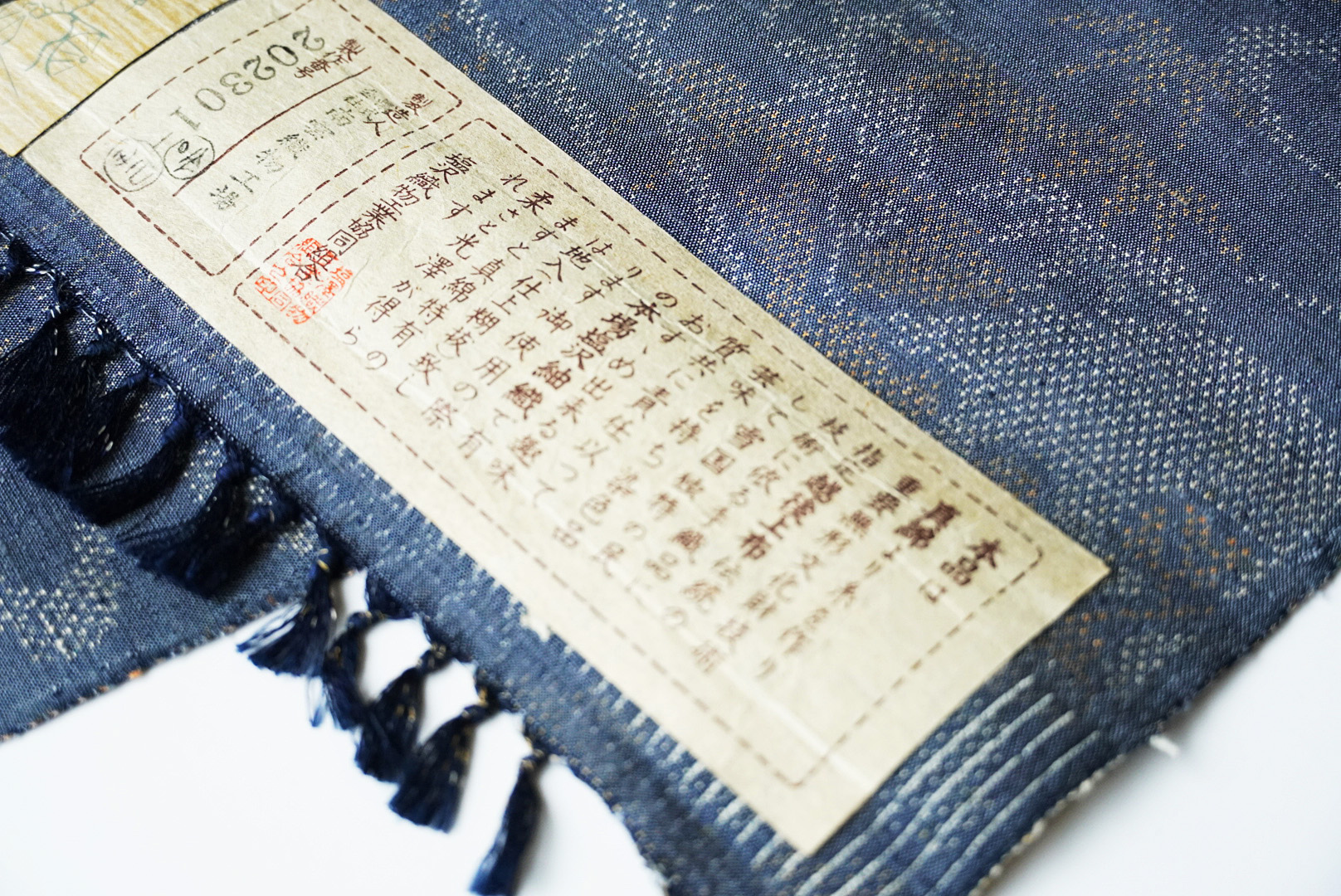
Warmth of craftsmanship, shaped by 1,200 years of tradition.
Sincere craftsmanship that brings a texture your heart can feel.
When you touch Shiozawa textiles, you may feel a quiet sense of nostalgia and comfort.
This comes from a process that follows the rhythms of nature, where each thread is woven with care and sincerity.
Rather than pursuing efficiency, artisans have devoted themselves to this honest craft over generations.
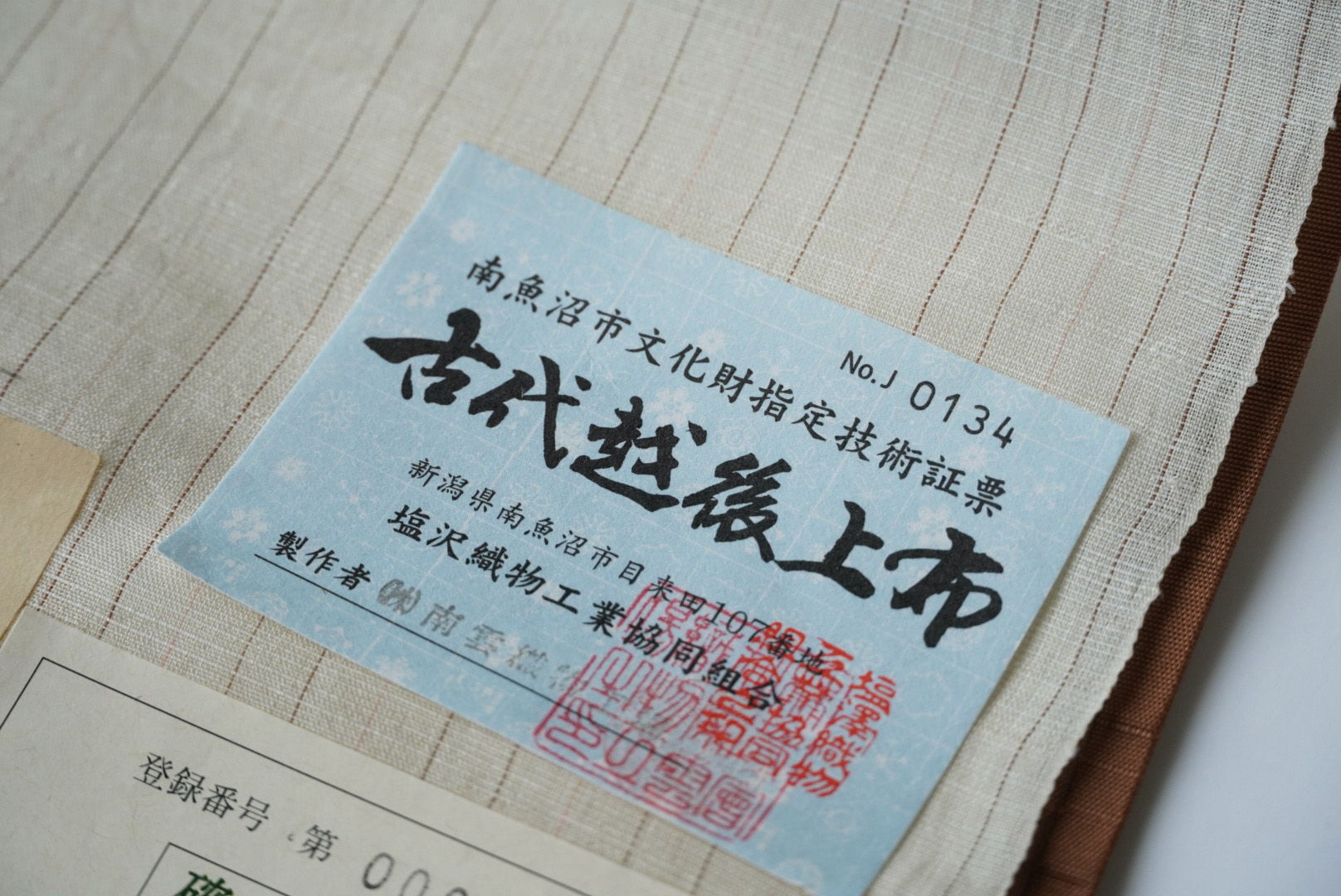
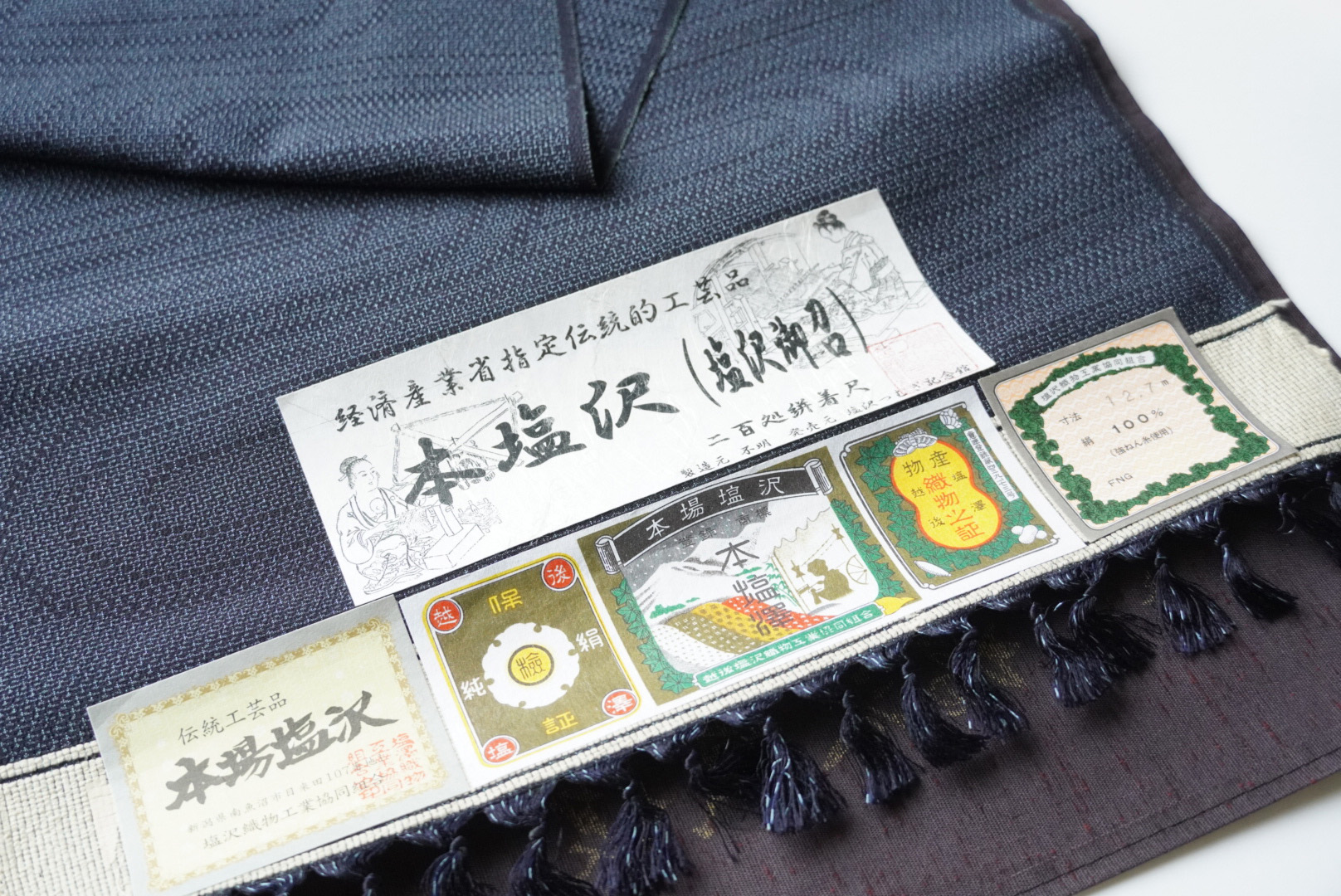
Today, it is recognized as an Important Intangible Cultural Property of Japan and a UNESCO Intangible Cultural Heritage.
There is no need for bold statements—simply wearing it brings a quiet sense of calm.
With gentle comfort for everyday life and uncompromising dedication to even the unseen details,
this is the true texture of Shiozawa textiles.
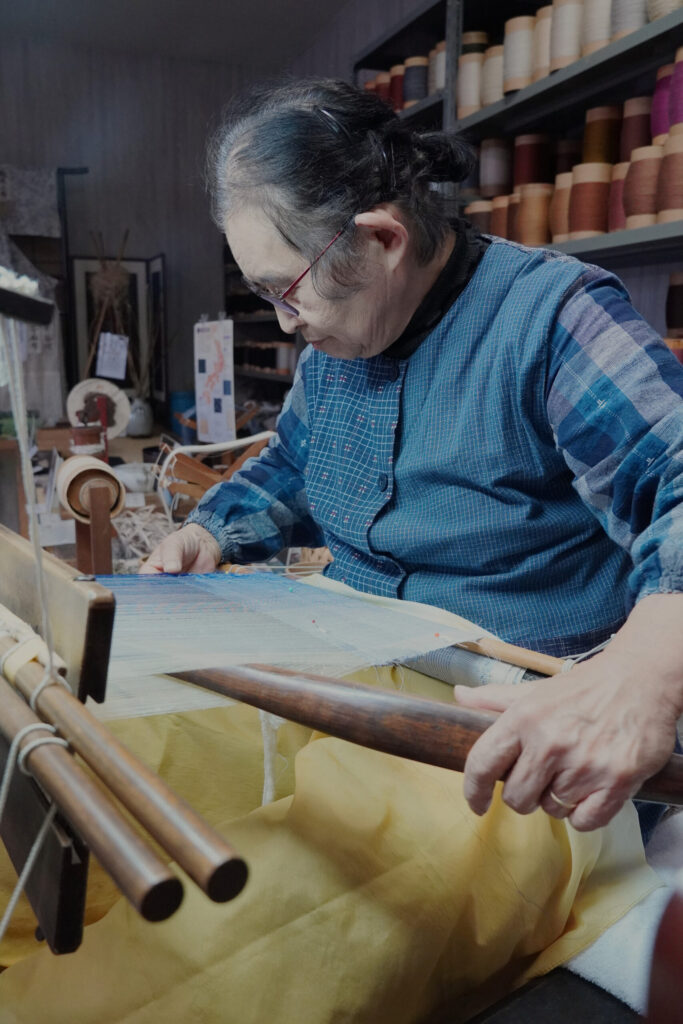
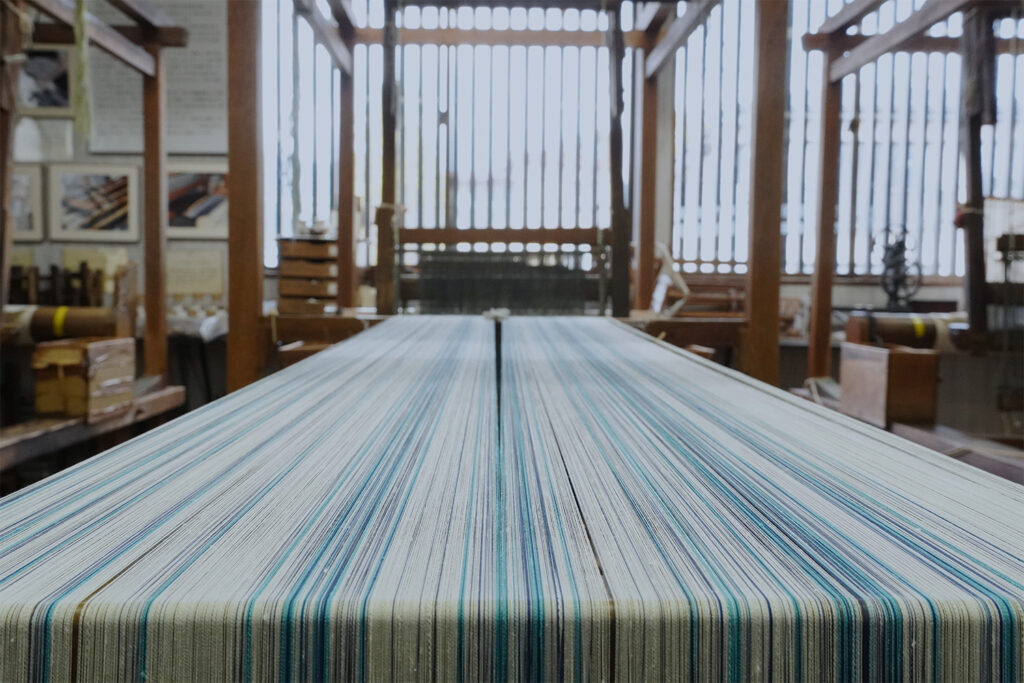
Four Textiles to Enrich Everyday Life
While preserving techniques passed down for over 1,200 years,
these textiles have gradually evolved to suit modern life—giving rise to four unique styles.
Echigo Jo-fu
Important Intangible Cultural Property (Designated by the Japanese Government)
Echigo Jofu is a textile with over 1,200 years of history.
Weaving this thin, high-quality fabric requires finely spun threads, which take months to prepare entirely by hand.
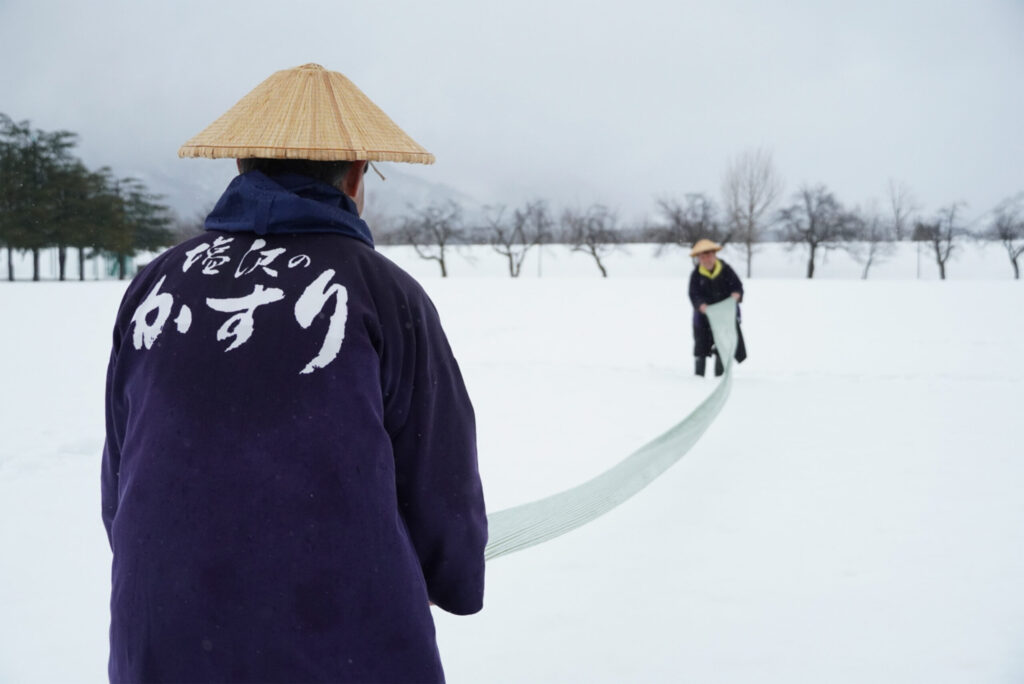
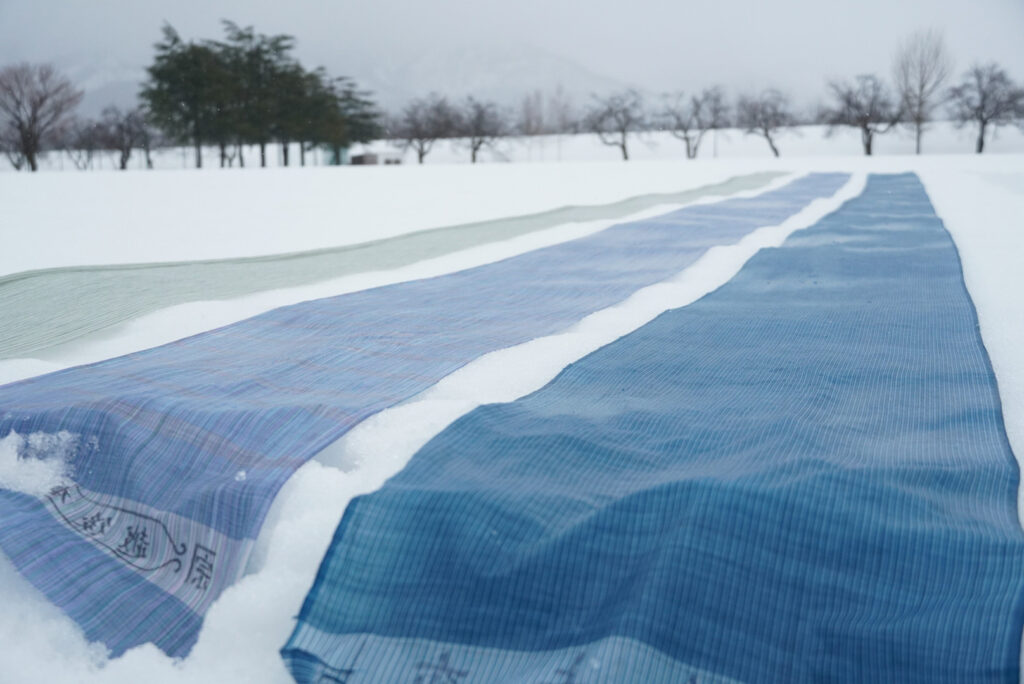
Once a bolt of cloth is completed, it is laid on snow on a sunny day.
The sunlight and snow cause a chemical reaction (ozone) that naturally whitens the fabric.
During the Edo period, annual production reached 200,000–300,000 bolts,
but today only about 30 bolts are made, making it a “phantom textile.”
Material: Choma (a type of hemp)
Hon-Shiozawa
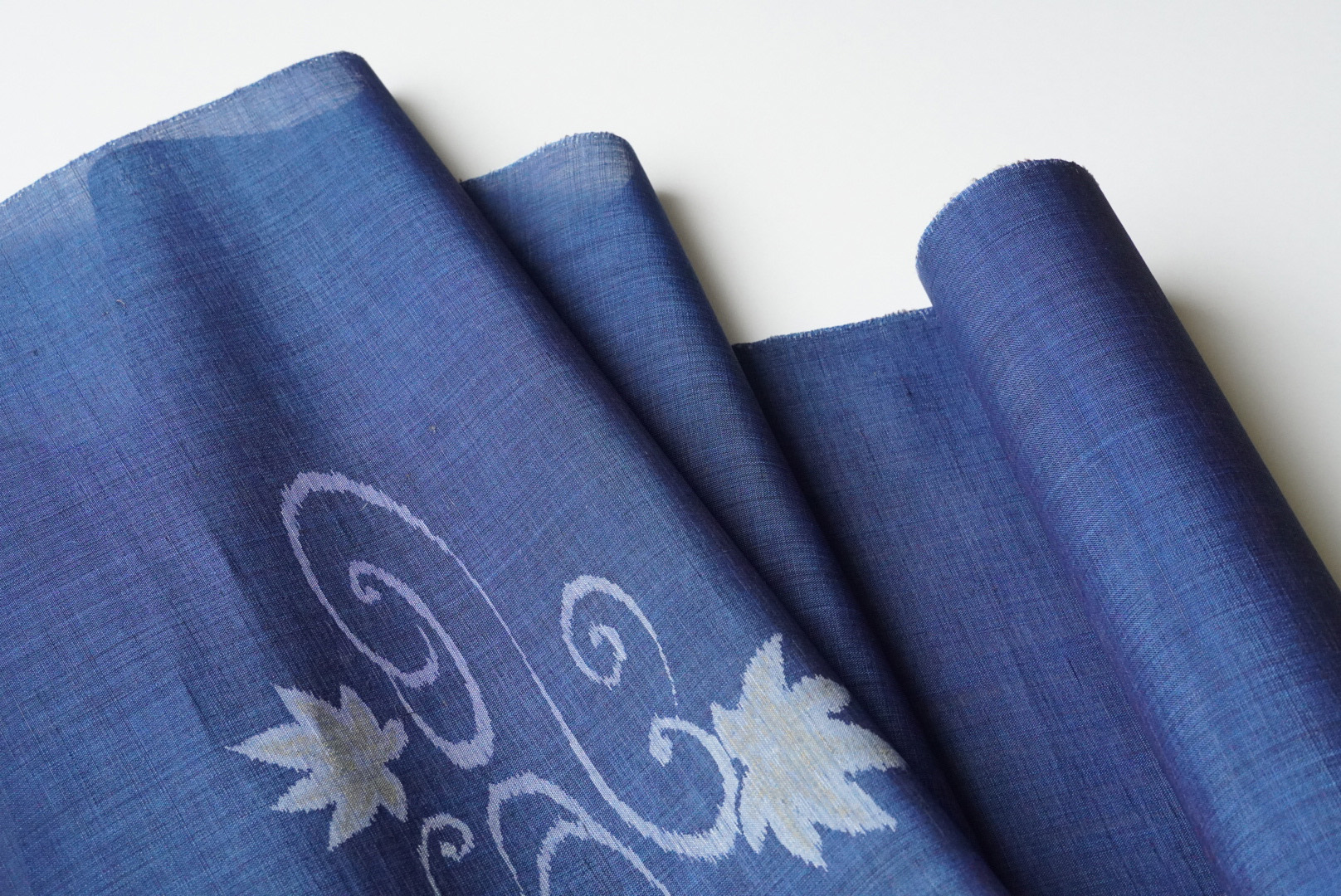
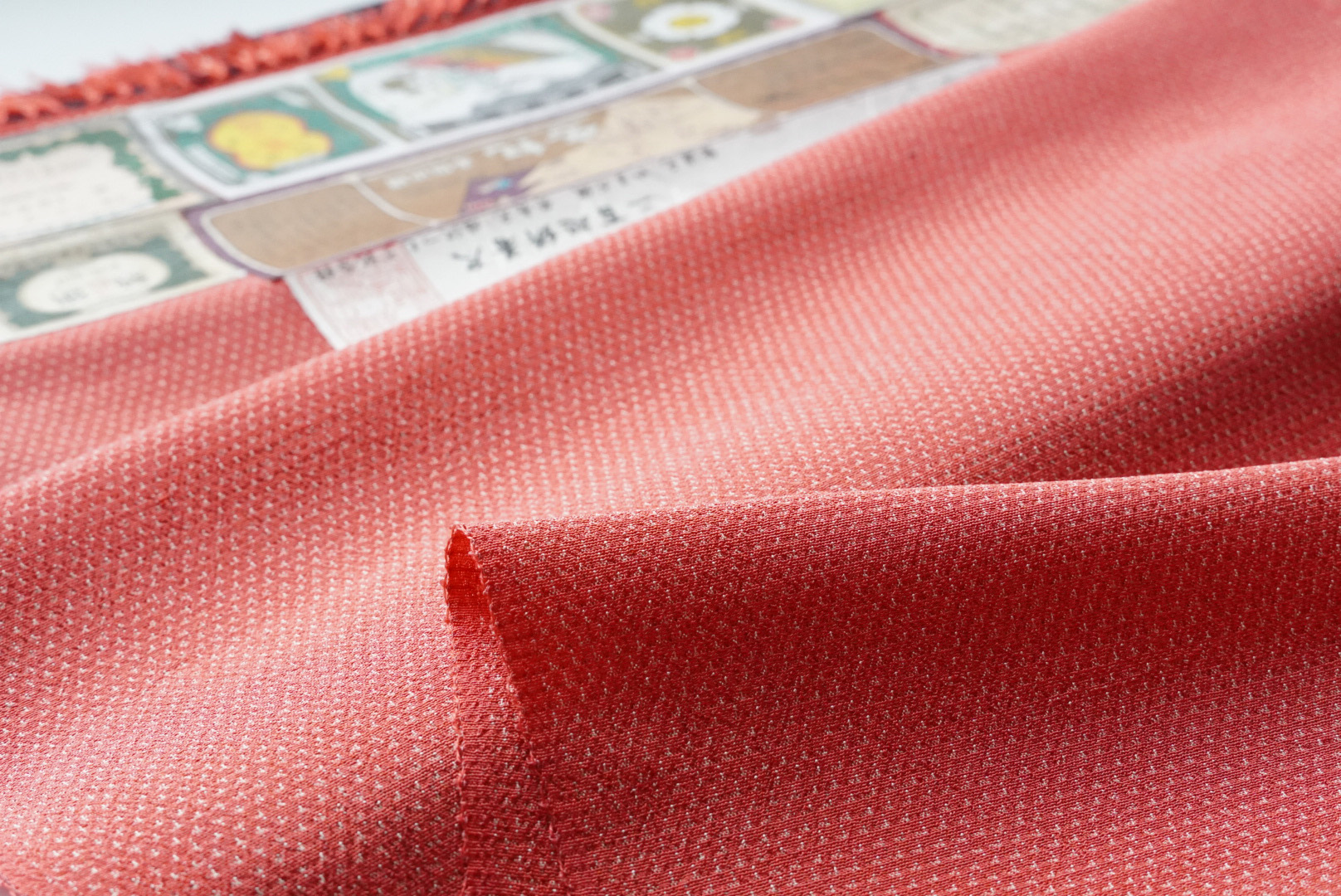
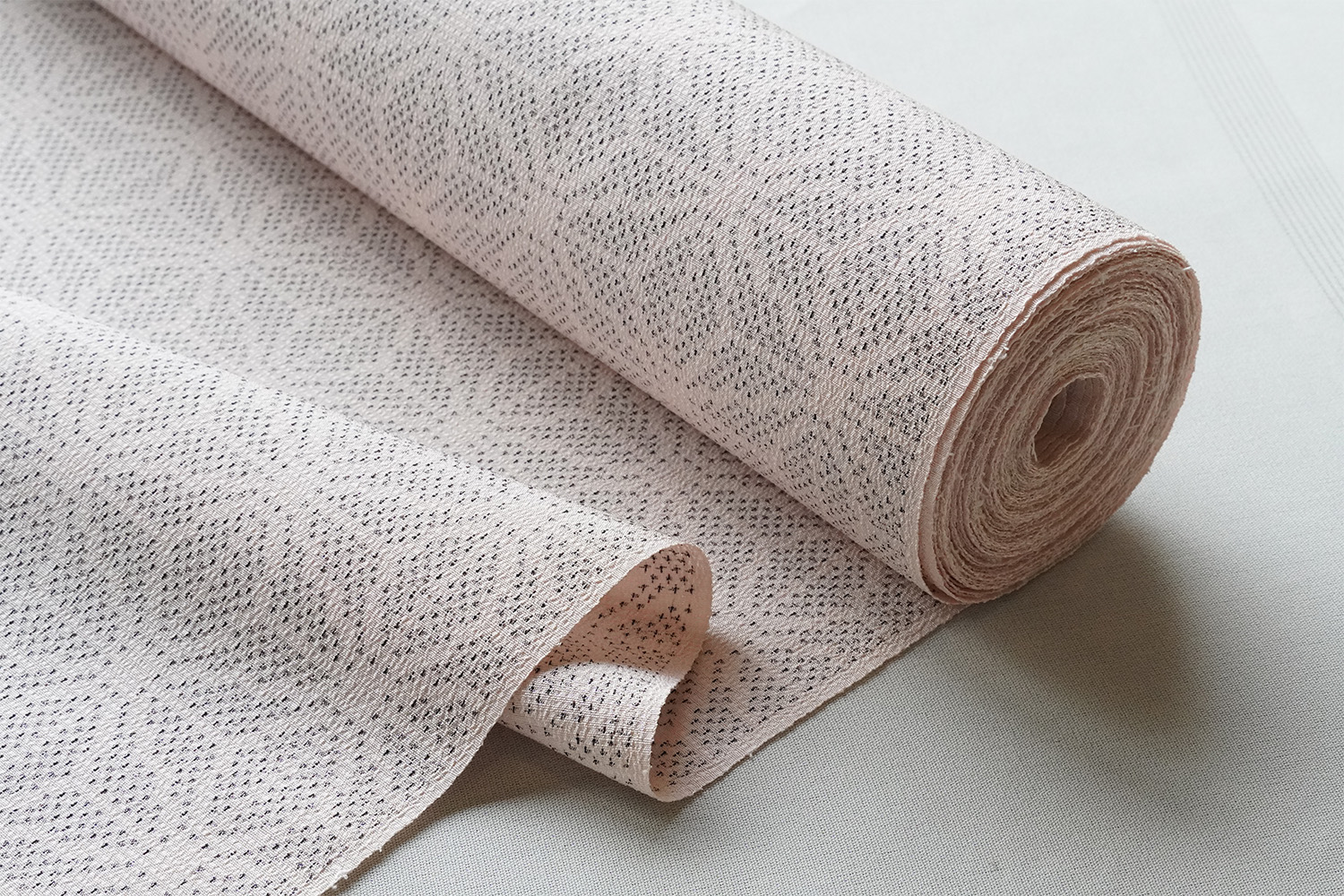
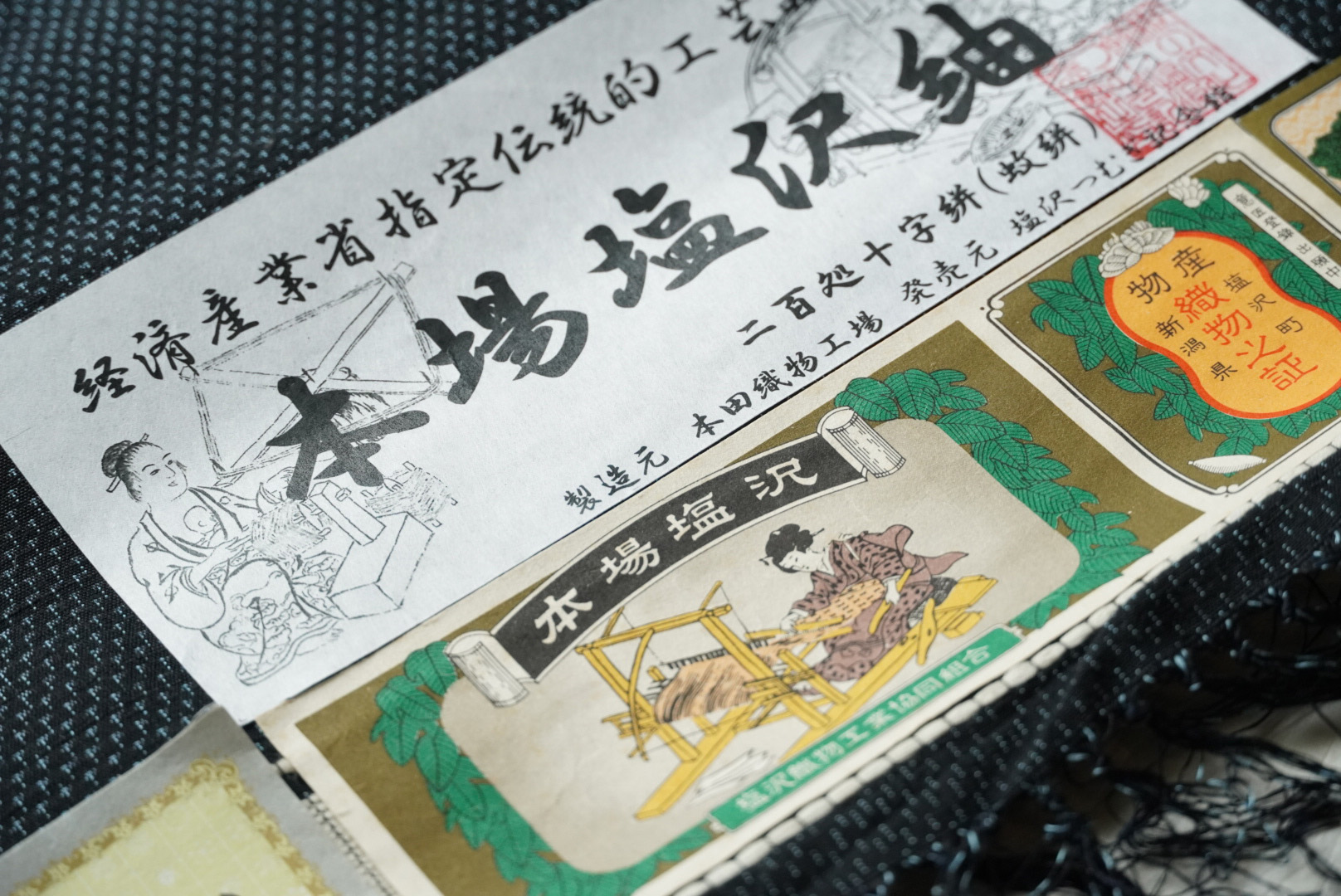
Hon-Shiozawa, also known as Shiozawa Omeshi, is a textile with a 350-year history.
Its signature texture—small undulations called shibo—is created by weaving with highly twisted threads and finishing with hot-water kneading (yumomi).
To account for shrinkage during yumomi, artisans weave the fabric wider and design patterns slightly elongated.
This is the culmination of years of skill and dialogue with silk.
With a pleasant textured feel and moderate thickness, it is perfect for spring and autumn wear.
Material: Silk
Shiozawa Tsumugi
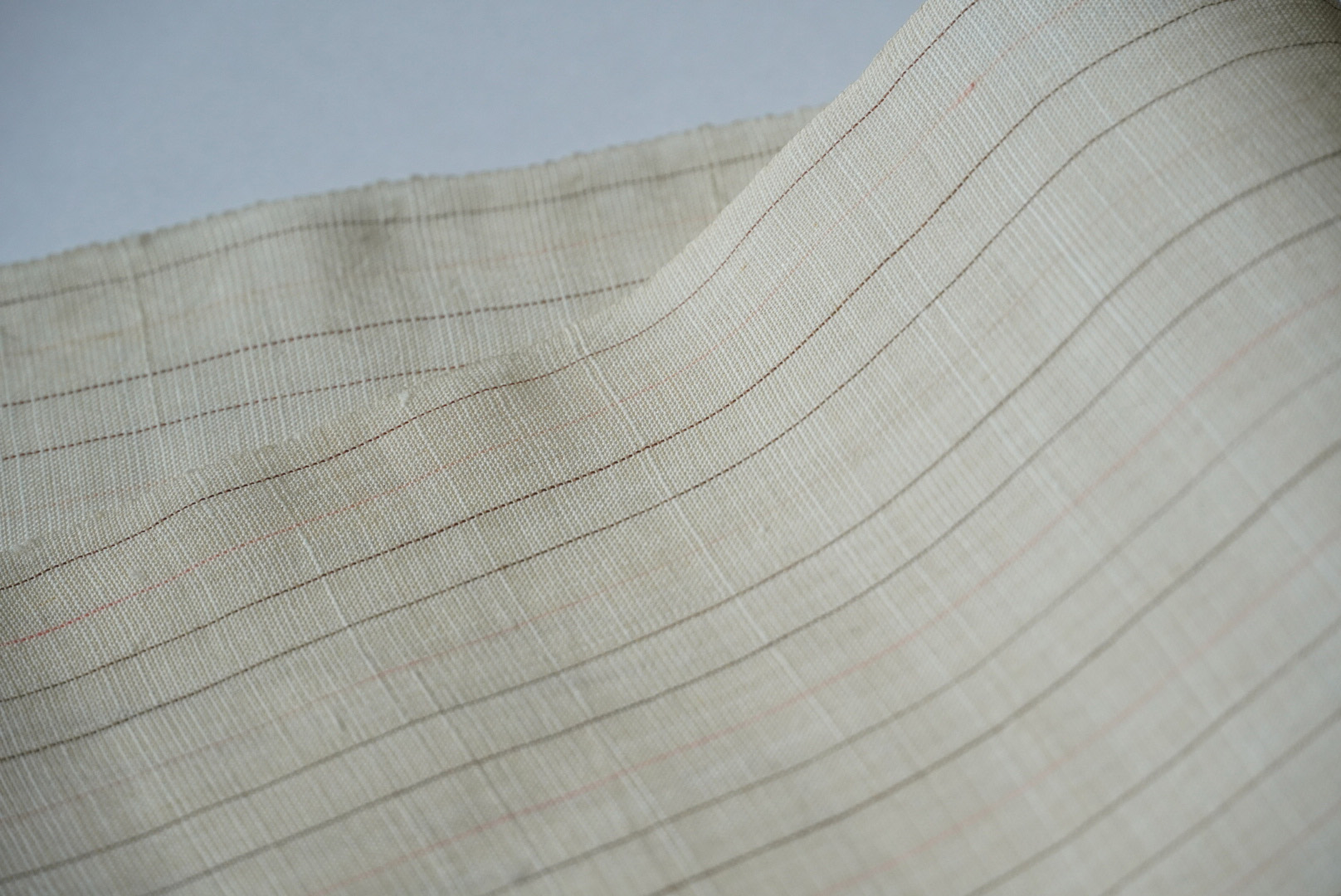
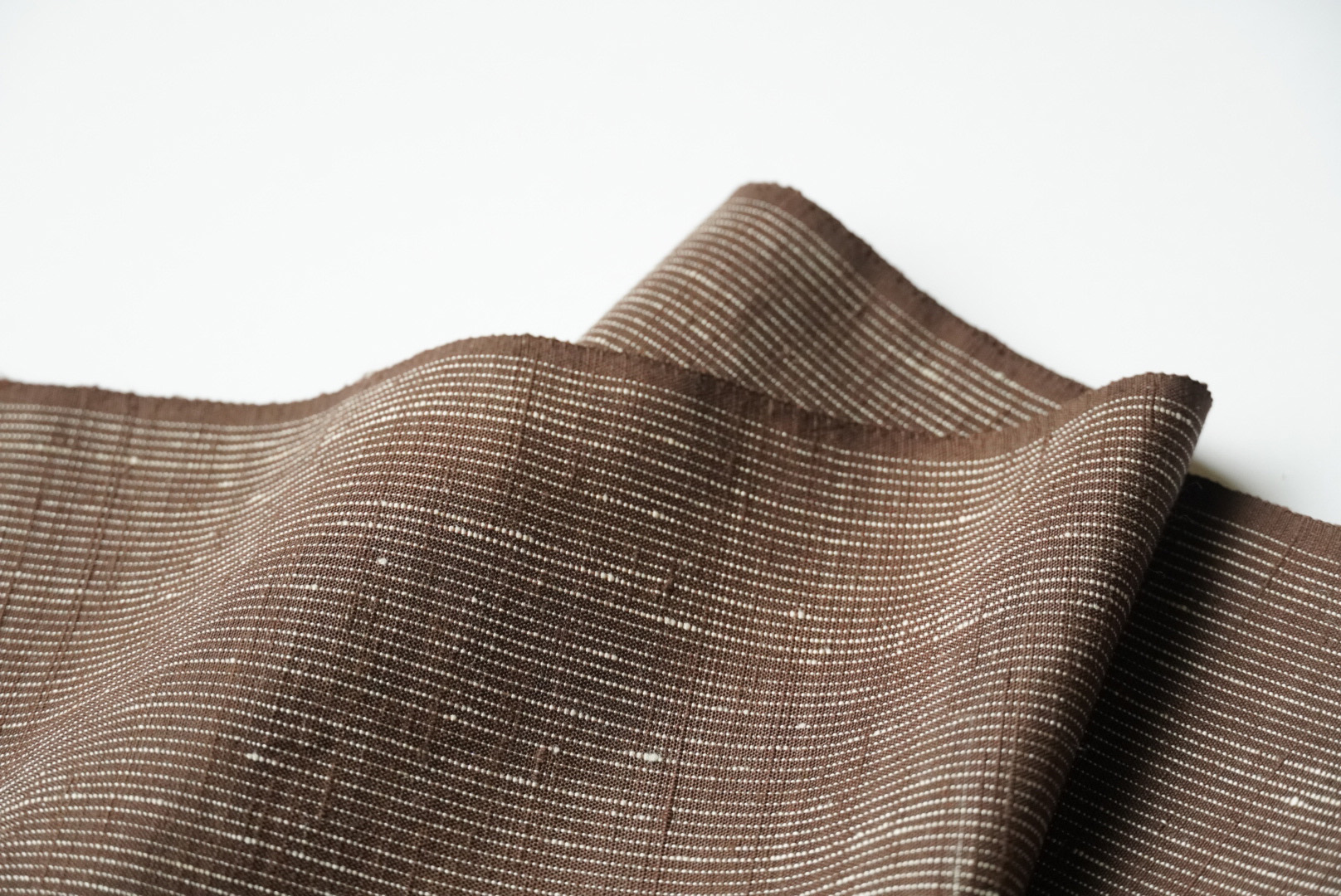
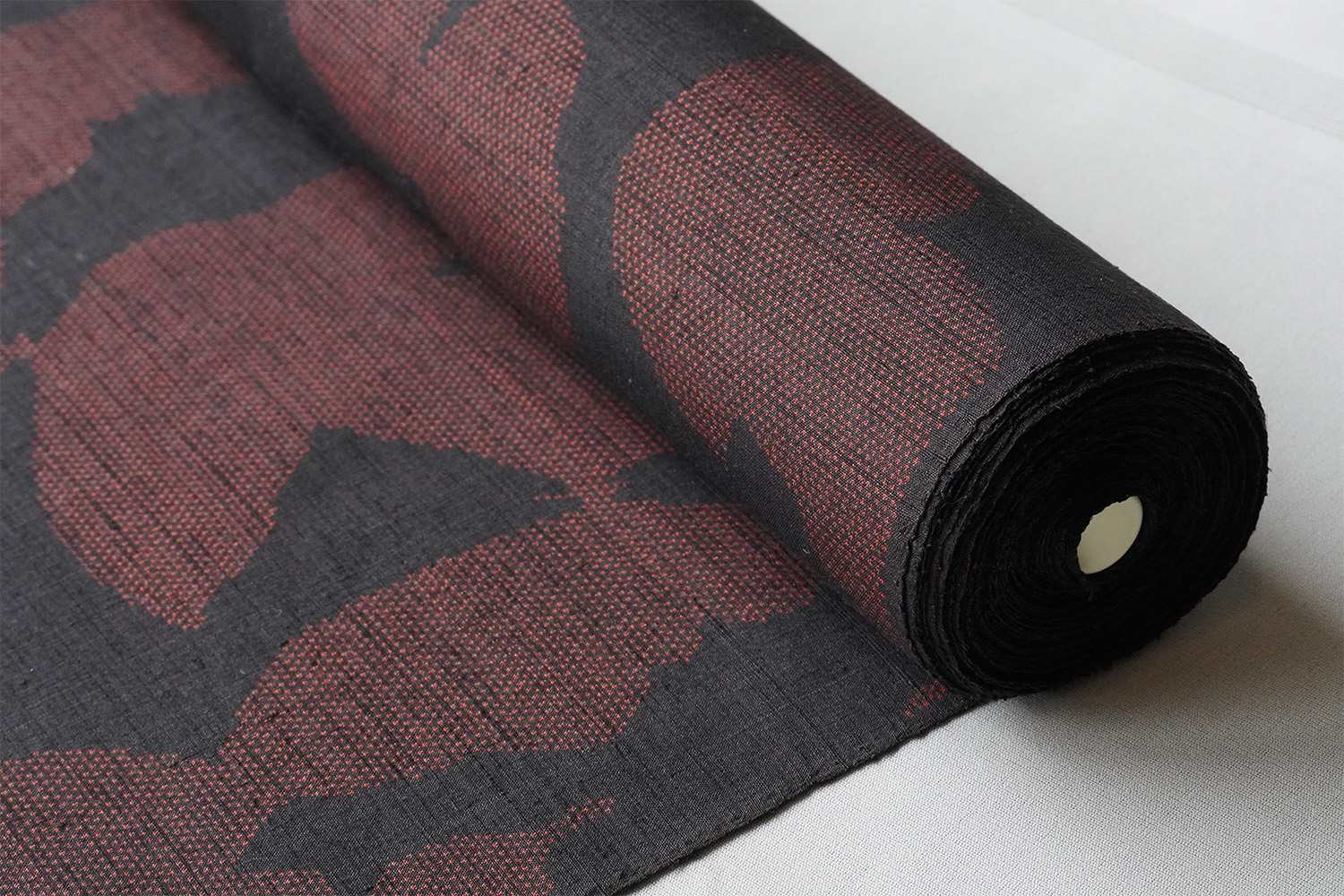
Shiozawa Tsumugi incorporates the techniques of Echigo Jofu into silk textiles.
Hand-spun threads from raw silk reveal natural variations in thickness, giving the finished fabric warmth and character.
The airy texture between the threads provides excellent insulation, making it ideal for winter wear.
Material: Silk
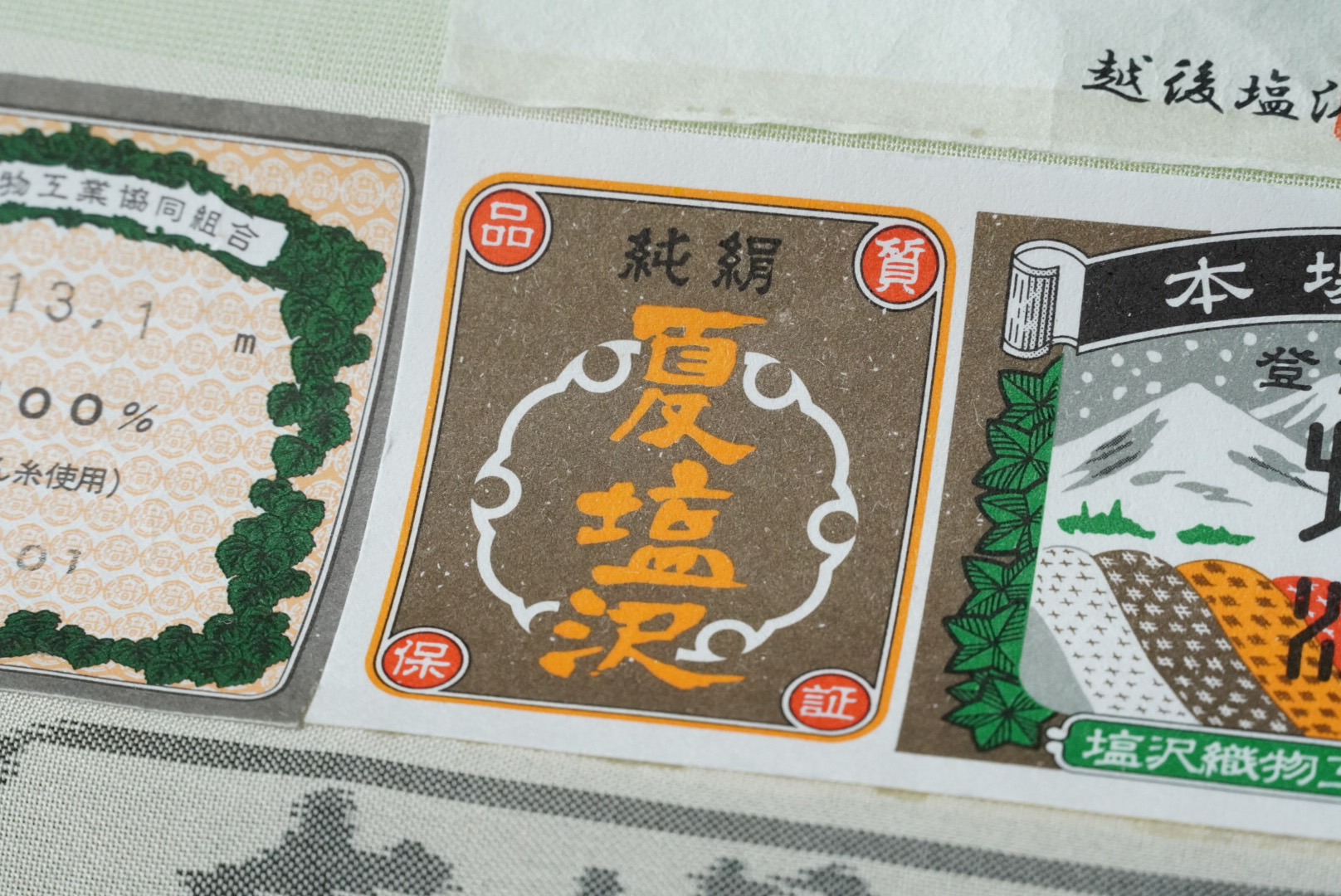
Natsu-Shiozawa
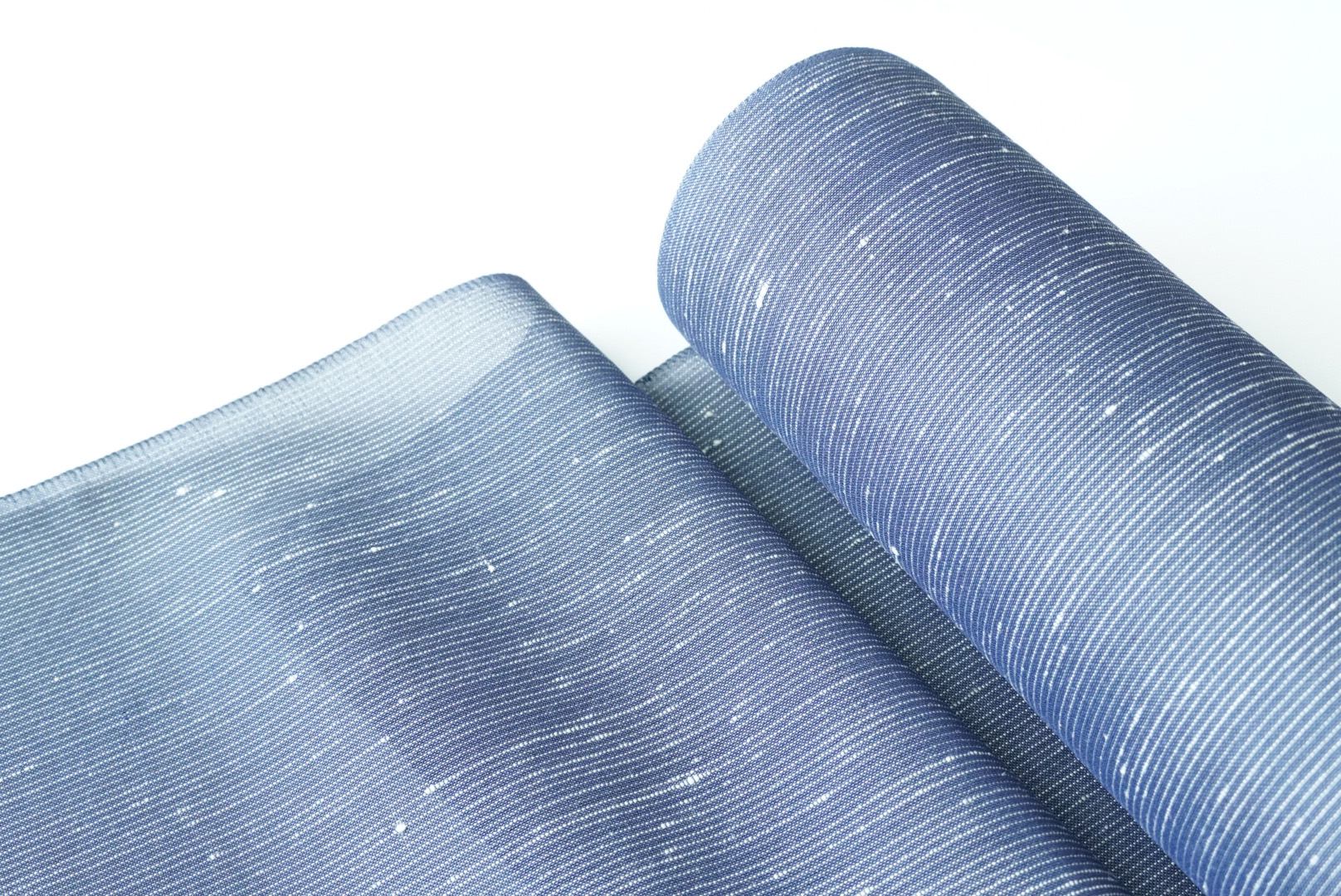
Natsu-Shiozawa emerged in the Meiji period and has a surprisingly short history.
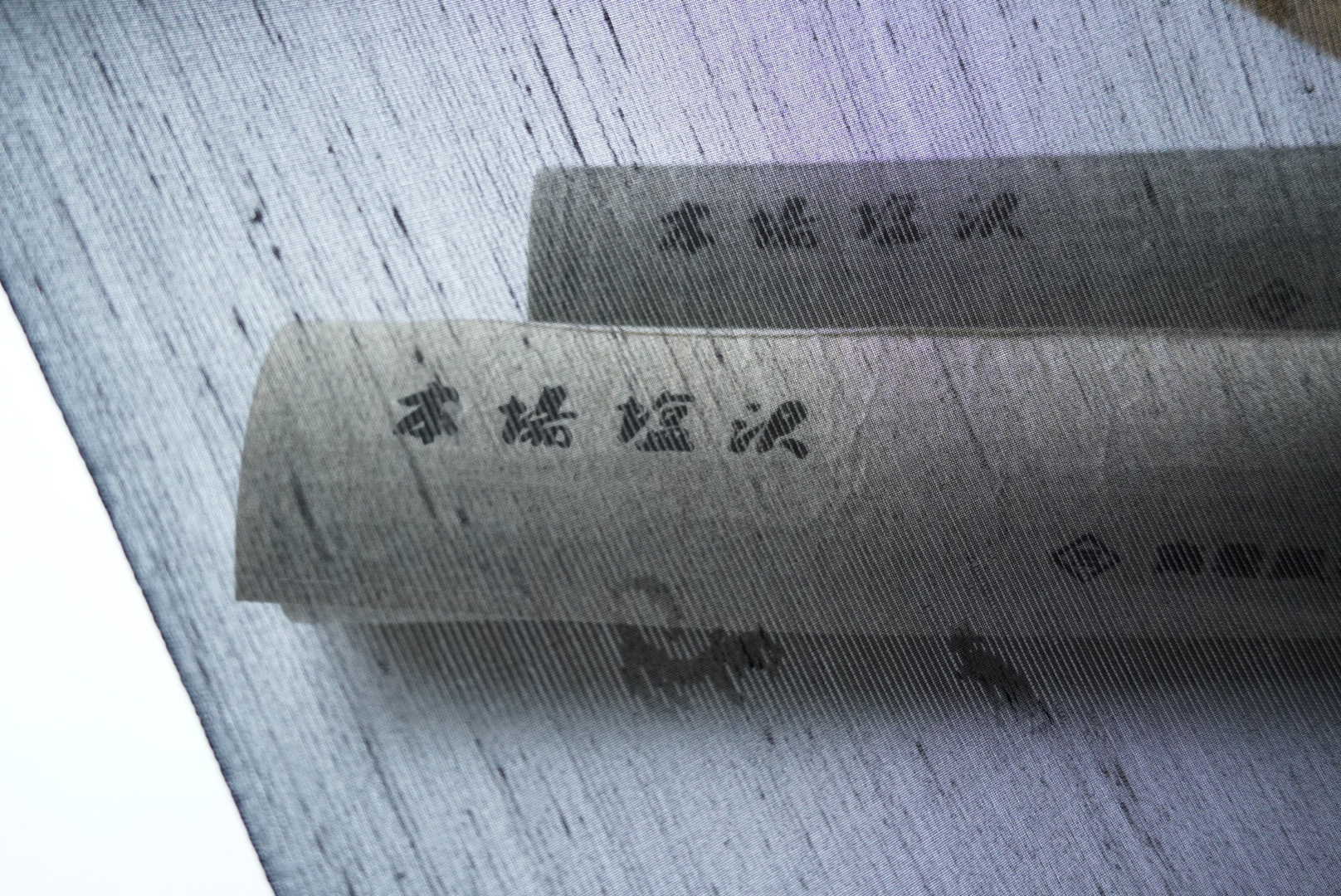
This silk fabric is exceptionally thin and translucent, designed for wearing silk even in summer.
Its cool elegance (ryo) is expressed by letting white peek through beneath darker kimono layers.
With a crisp, airy texture, it is perfect for midsummer wear.
Material: Silk
Traditional
Craft
Experience
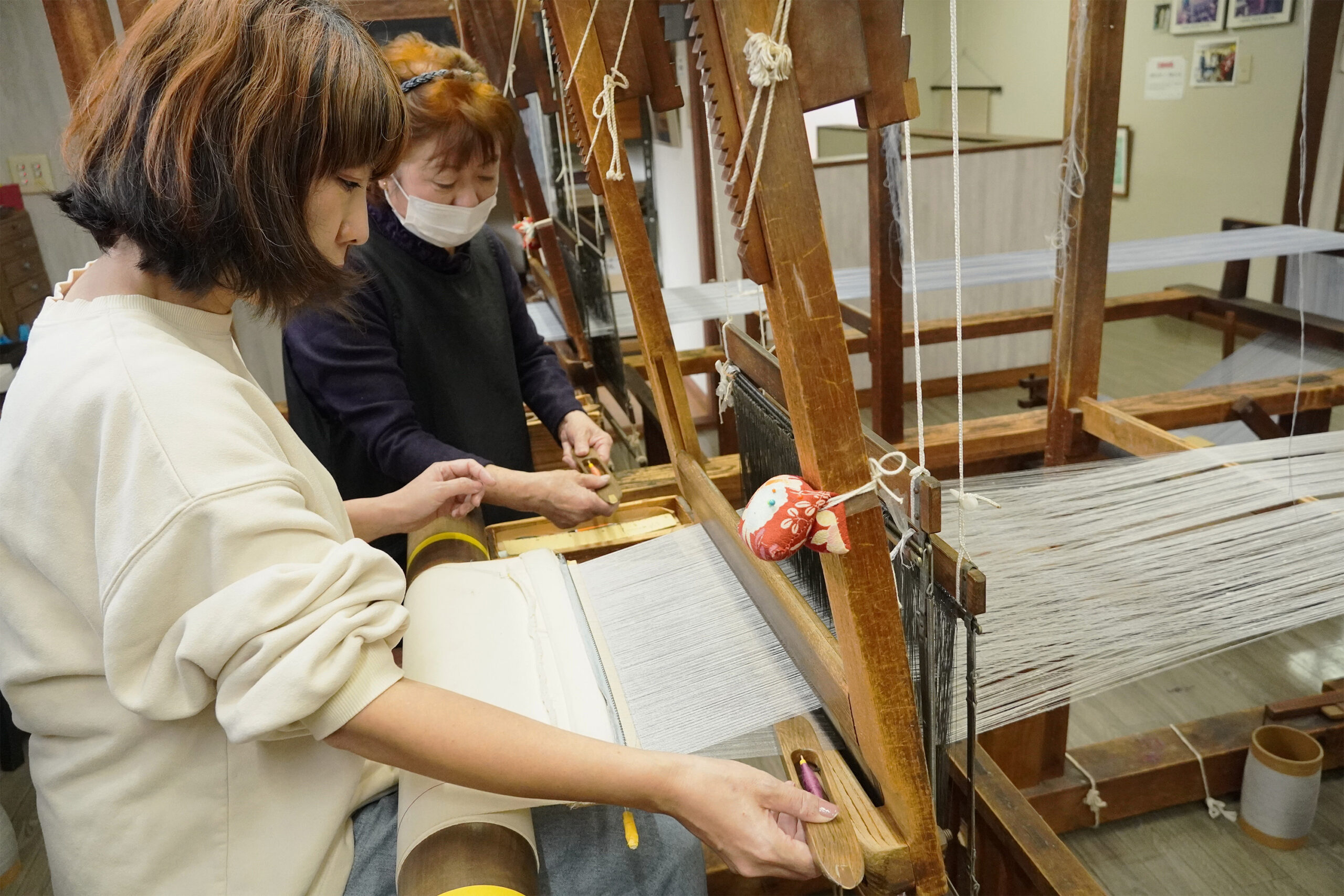
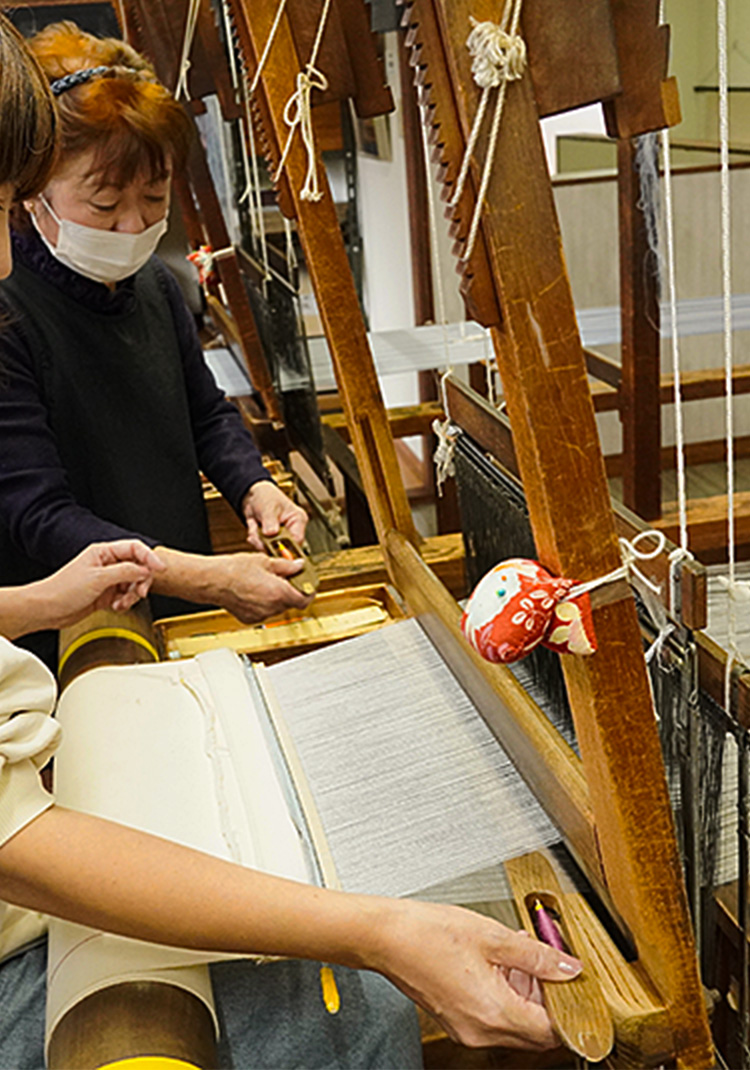
The act of weaving, thread by thread, becomes a moment of quiet meditation.
Feel your mind gradually calm and settle.
We also offer hands-on experiences creating small items using Shiozawa textiles.
We look forward to welcoming you.